
Introduction — a short workshop scene, numbers, and a question
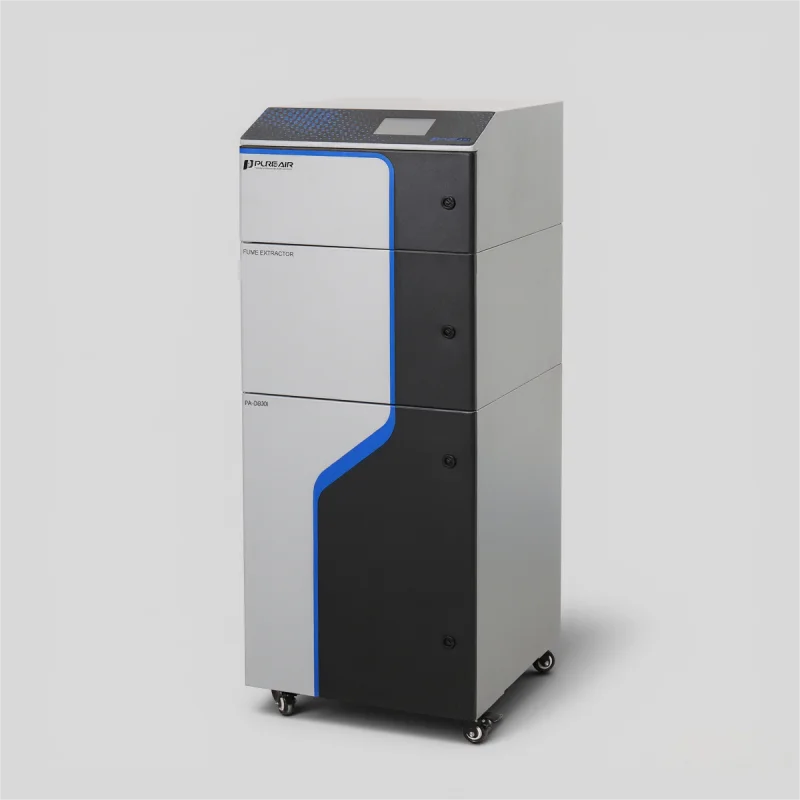
I remember stepping into a tiny metal shop outside Chiang Mai last year: the smell of burnt plastic and a steady hum of machines (you know the one). In that second sentence I thought about the laser marking fume extractor mounted near the bench — it was working, but the air still felt heavy. Studies show small workshops can have PM2.5 levels several times higher than safe limits, and many teams I talk with tell me they still cough after a shift. So, how do we actually make the air safer without breaking the budget or complexity? I want to share what I learned, from tools to tiny tweaks, in plain words. This next part digs into why the common fixes often miss the point — and what users quietly suffer from every day.
Part 2 — Why traditional fixes fail and the hidden pains users hide
industrial air purifier for dust is the phrase you hear a lot when people try to solve fume and particulate problems. But many purifiers and extractors are sold like magic boxes — plug in, and problem gone. In practice, they fail for simple reasons: wrong placement, low airflow rate, or mismatched filter media (HEPA filter for fine dust, activated carbon for odors). I have seen units with good filters but poor duct layout — so the machine pulls air from the wrong spot. Look, it’s simpler than you think: airflow path matters more than power rating. The result? Workers still breathe contaminated air and managers chase replacements instead of diagnosing flow patterns. — funny how that works, right?
What hidden pains do operators actually face?
Beyond the obvious, customers tell me about noise, maintenance time, and unexpected power demands (power converters and fan speed controllers can spike electricity use). They also face downtime when a clogged filter is ignored until it chokes the system. My judgment: vendors oversell specs and undersell setup guidance. That gap creates fatigue — literal and organizational. When I advise shops, I focus less on marketing terms and more on real checks: measure PM2.5 at breathing height, trace the fume path, and inspect filter pressure drop. Those steps reveal practical problems fast.
Part 3 — A forward look: better setups, new workflows, and measurable checks
Thinking ahead, I see modest tech plus smart habits changing outcomes. For example, pairing an industrial air purifier for dust with simple duct shields and work-positioned extraction can remove most fumes before they spread. In one case study I followed, a small shop added a local capture arm, tuned fan speed, and installed a HEPA + activated carbon staged filter chain; PM2.5 dropped by half within a week. That was not magic — it was measurement, positioning, and routine filter checks. We need more of that practical approach (and fewer overcomplicated control panels).
What’s next — practical steps and metrics
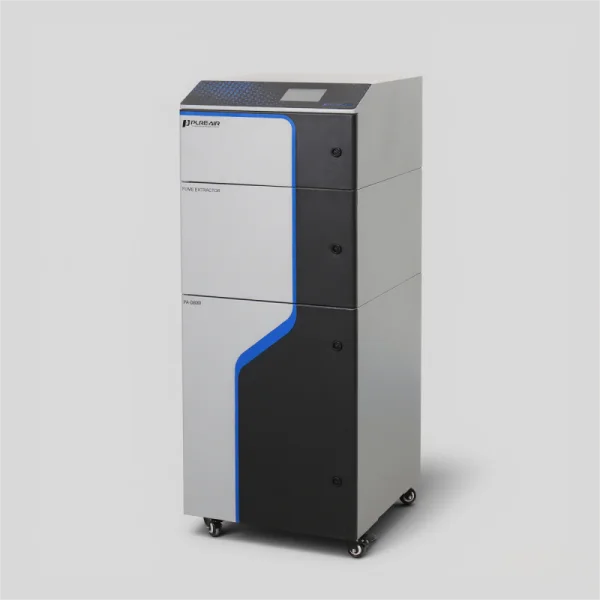
Here are three quick metrics I ask clients to track before buying: 1) capture efficiency at the source (simple smoke test), 2) airflow rate at the hood in cubic meters per hour, and 3) filter pressure differential over time. Those tell you if a system will work in real life, not just on paper. I prefer semi-formal testing — timed checks, quick PM2.5 readings, and a short log. If you do that, you will find choices that cut fumes, reduce complaints, and save money on wasted replacements. In short: measure, position, maintain — repeat. I’ll keep testing and learning with teams on the floor. For solid products and guidance, check brands that back real-world data, like PURE-AIR.