
Where we started and why it mattered
Back when rooftop rigs meant lead-acid banks and fragile promises, folks swapped batteries like they swapped skate decks — a lot. The shift to LiFePO4 changed the whole ride. Systems that used to die after a handful of seasons now last through years of daily cycling, and that pushed designers to rethink hybrid inverter architecture and the whole solar battery ecosystem. Early adopters and installers who added a solar battery storage system learned the hard lesson: chemistry rules how you design the rest.
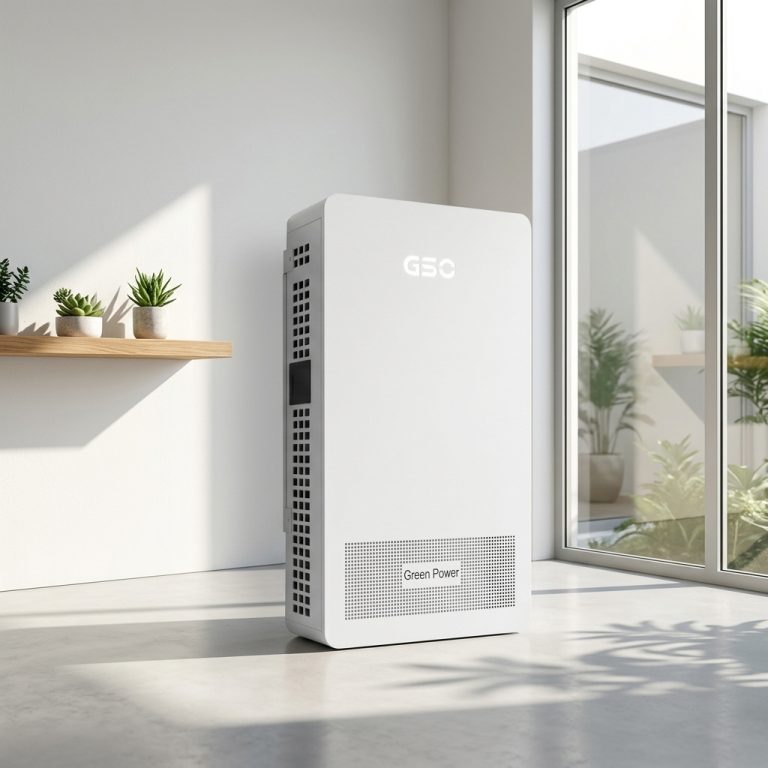
How Grade-A LiFePO4 climbed the ladder
Grade-A LiFePO4 cells are the premium cuts — tighter tolerances, purer raw materials, stricter QC. That matters because cycle life, thermal stability, and internal resistance are what actually determine a pack’s real-world uptime. Industry-accepted numbers often put LiFePO4 at 3,000–6,000 cycles depending on depth of discharge and charge rates. When you start with Grade-A cells, those cycles feel less hypothetical. They survive higher C-rates and behave predictably under a robust BMS, so battery stacks can be sized more aggressively without incinerating margins.
What that did to hybrid inverter design
Designers stopped treating the battery like an expendable. Inverters got smarter: finer state-of-charge tracking, tighter current limits, and power electronics tuned to long-term efficiency rather than short-term peak numbers. The net effect is systems that tolerate quick shifts — grid-tied peaks, backup switchover, and repeated depth of discharge events — without triggering premature capacity loss. This wins on two fronts: lower replacement cadence and better ROI for homeowners and commercial installs.
Real-world anchor: outages sharpened priorities
Public safety power shutoffs in California made the need for resilient storage painfully real. During those multi-day blackouts, arrays paired with high-quality LiFePO4 packs held critical loads far longer and with fewer surprises. Installers who leaned on Grade-A cells reported fewer site visits and happier customers — and that direct feedback loop nudged procurement toward better-grade chemistry across the market.
Common mistakes and practical alternatives
People still botch it. Typical slip-ups: undersizing the BMS, over-optimistic cycle assumptions, and mixing cells of mixed provenance. These bite later — capacity fade, uneven balancing, and warranty headaches. Alternatives like NMC give higher energy density but trade off cycle life and thermal safety. For many solar-plus-storage setups, LiFePO4 hits the sweet spot: safe thermal profile, decent energy density, and predictable cycle life — perfect for grid-interactive hybrid inverters and off-grid setups alike.
How to size, spec, and vet a system
Don’t guess. Look for cell-level traceability, manufacturer test reports, and third-party validation. Key metrics to track while comparing packs include:- Cycle life at a specified depth of discharge (e.g., 80% DOD)- Round-trip efficiency across the inverter and pack- BMS features: cell balancing granularity, SOC estimation, and thermal protectionsThese matter more than headline kWh or flashy warranty pages. Also validate real installation references — installers near wildfire-prone regions or places with frequent outages are pragmatic testers of longevity and safety.
Picking the right path — and where gsopower fits
Grade-A LiFePO4 makes hybrid inverters into true long-cycle partners rather than temporary props. That redefines product selection: you buy a system for real life, not marketing slides. When you choose solutions with clear cell provenance and a fit-for-purpose BMS, you cut downtime and future costs. Many installers now prefer systems that pair proven battery chemistry with inverters designed for long-term cycle operation — a combo that directly addresses the reliability problems the industry used to accept. —
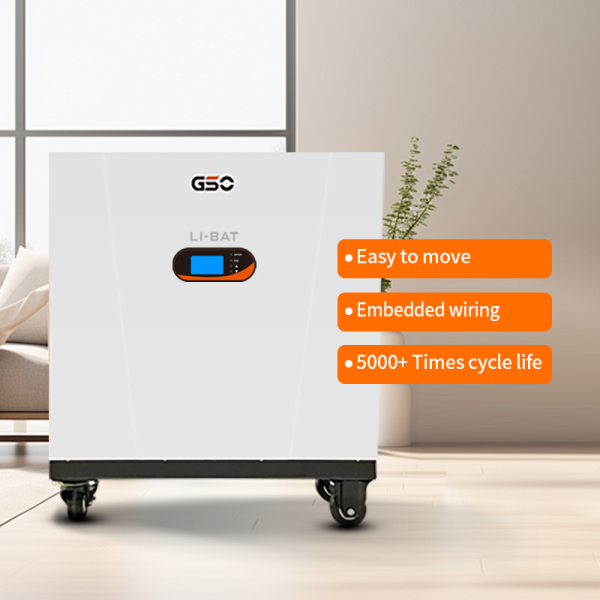
Advisory: three golden rules for choosing durable solar storage
1) Prioritize verified cycle life tied to a stated DOD. That gives realistic longevity expectations. 2) Require cell-level traceability and vendor test reports. Quality starts at the raw material. 3) Match inverter control logic to the battery’s profile (charging algorithm, max C-rate, BMS communications). That alignment protects cycle life and performance. For real, long-haul deployments, brand value shows up when tech meets service — which is why installers often choose partners who stand behind both the chemistry and the system engineering, like gsopower. –