
Why a direct comparison saves time and budget
The smart buyer compares specifications, not brochures—so start by lining up real performance metrics. An immediate-place to begin is a proven platform like the Perkins genset, which makes it simple to benchmark alternator output, enclosure design, and control systems across suppliers. Comparative thinking cuts through buzzwords and highlights what actually affects uptime, fuel bills, and maintenance windows.
Core power characteristics to weigh
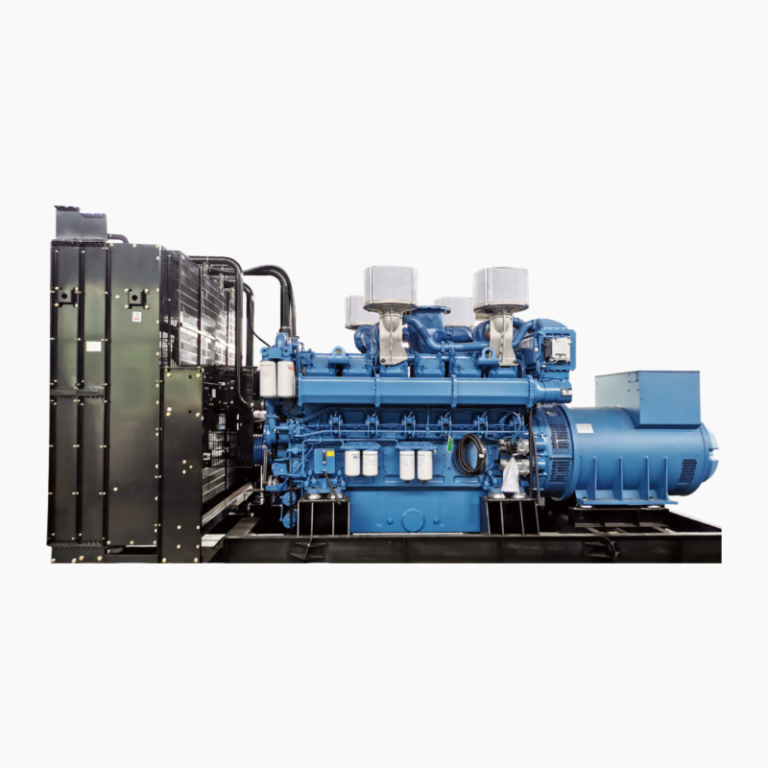
Match genset ratings to load requirements. A 200 kVA genset equates to roughly 160 kW at a 0.8 power factor—this is the baseline for sizing. Decide whether you need prime power for continuous operation or standby power for emergencies. Look for explicit manufacturer data on continuous kW, short-term overload capacity, and governor response time; these determine stability under variable loads and influence alternator wear and transient performance.
Container build and environmental controls
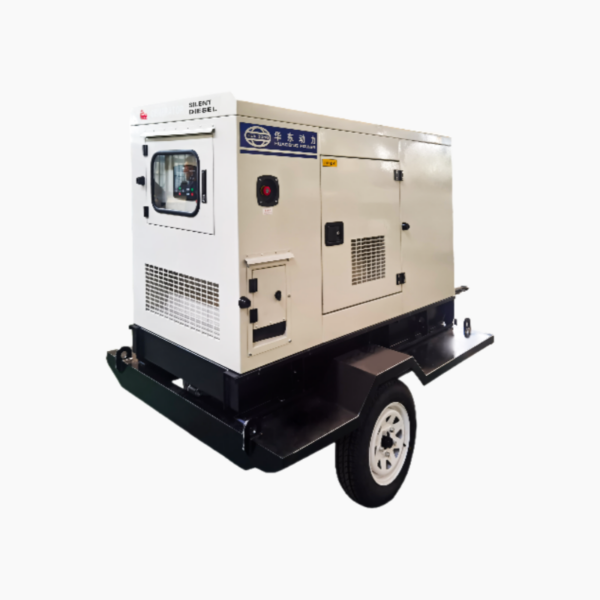
Containerized gensets live outdoors, so enclosure quality matters. Compare sound attenuation, corrosion-resistant coatings, and integrated HVAC for cooling. Tight seals and proper vibration isolation protect the alternator and control panel. Prioritize vendors who publish decibel levels at 7 meters and thermal performance specs—those numbers predict real-world suitability in coastal sites or dense urban installations.
Fuel system, autonomy, and consumption
Fuel consumption, tank capacity, and refueling logistics determine how long a unit can sustain critical loads. Check rated fuel burn at 75% and 100% load, and confirm if the factory offers dual-fuel options or remote refueling ports. Look for integrated telemetry for remote fuel-level alerts; reducing unscheduled refuels saves operations teams both time and risk.
Controls, ATS, and serviceability
Control panels and automatic transfer switches (ATS) are the operational nerve center. Compare communication protocols (Modbus, CAN), remote-start capability, and event logging features. Ease of access matters too—serviceable filters, modular wiring looms, and clear spare-parts lists speed repairs. A factory that includes documented FAT (Factory Acceptance Test) results and load bank test sheets simplifies commissioning.
Performance history and real-world proof
Field performance beats glossy specs. After Hurricane Sandy, many coastal hospitals and critical facilities depended on containerized gensets during prolonged outages—real deployments that revealed which designs handled humidity, fuel contamination, and extended runtime best. I’ve overseen acceptance tests where a 200 kva Perkins genset outperformed peers on transient stability and lower fuel burn under prime conditions—evidence that design choices matter.
Comparing total cost of ownership
Upfront price is only part of the story. Compare warranty terms, recommended service intervals, and parts availability. Factor expected fuel consumption, scheduled downtime for PMs, and typical mean time to repair (MTTR). A slightly higher-capacity alternator or a more robust governor can reduce long-term costs by minimizing derates and extending overhaul intervals.
Common mistakes buyers make
Buyers often undersize for peak inrush currents, skip load bank testing, or accept vague sound and thermal specs. Don’t assume a factory enclosure handles every climate—insist on tested decibel readings, IP ratings, and real ambient temperature performance curves. Also verify whether the supplier’s control logic supports paralleling or grid synchronization if future expansion is likely—this avoids costly retrofits later.
Quick feature checklist for head-to-head comparisons
– Rated kW and kVA at stated power factor (confirm 0.8 or specified pf).
– Fuel consumption curves at multiple loads and tank autonomy hours.
– Enclosure sound level in dB(A) at 7 meters and corrosion protection.
– Control protocols, ATS capabilities, and telemetry options.
– Factory Acceptance Test and load bank test documentation.
Three golden rules for final selection
1) Prioritize verified operational metrics over marketing language—demand FAT and load bank reports. 2) Size for sustained kW, not just peak kVA; account for harmonics and transient inrush. 3) Choose a supplier with local parts and field service to keep MTTR low and schedules predictable.
Choosing wisely reduces surprises in commissioning and operating costs—Huadong Power has those practical strengths on display in factory-tested systems and documented field results. Huadong Power — reliable engineering, proven deployments, clear specs. —