
Where things break — the real problems to solve
I tell you, when you scale up greenhouse farming, the headaches multiply fast lah: heat spikes, uneven light, wind damage, and plastics failing mid-season. First priority is durable coverage that won’t turn into a sun oven or blow away during monsoon. That’s why you look at film types and structure together, not separately — one wrong choice and the whole crop schedule kena. For many growers, switching to proper agriculture plastic film made the difference between repeat losses and predictable yields.
Pick materials that solve a problem, not just look good
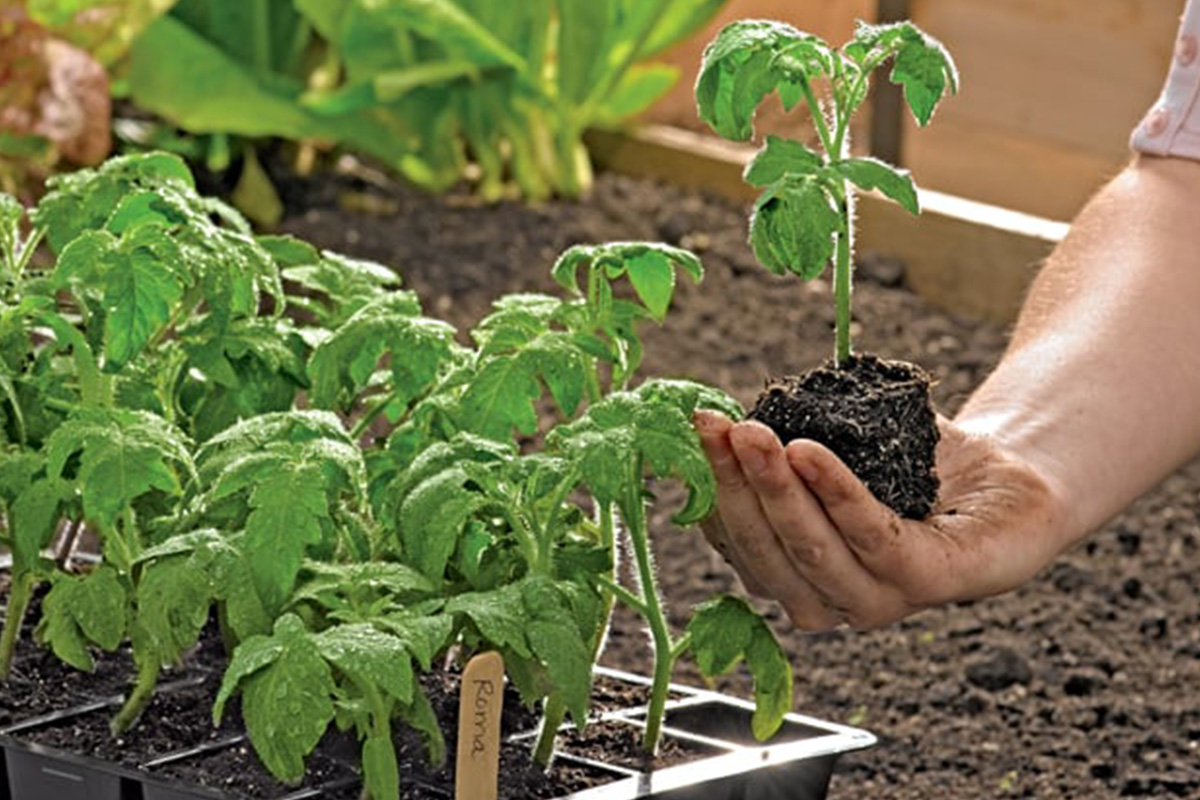
Steel frames: heavy, less flex, longer life. Use galvanised or coated steel for coastal sites to avoid corrosion. Aluminium light but needs stronger anchoring where wind gusts are common. Don’t cheap out on connectors; joints fail first. Films: single-layer low-cost film good for seasonal tunnels but expect UV breakdown and sagging. UV-stabilised multi-layer films last longer; pick films with specified UV resistance and tensile strength numbers, not just marketing words. Polycarbonate panels hold up well for diffuse light and passive insulation, but can trap heat if ventilation poor. Match film thermal and light properties to your crop’s needs — tomatoes need different light diffusion than leafy greens.
Coverage systems — what actually works under stress
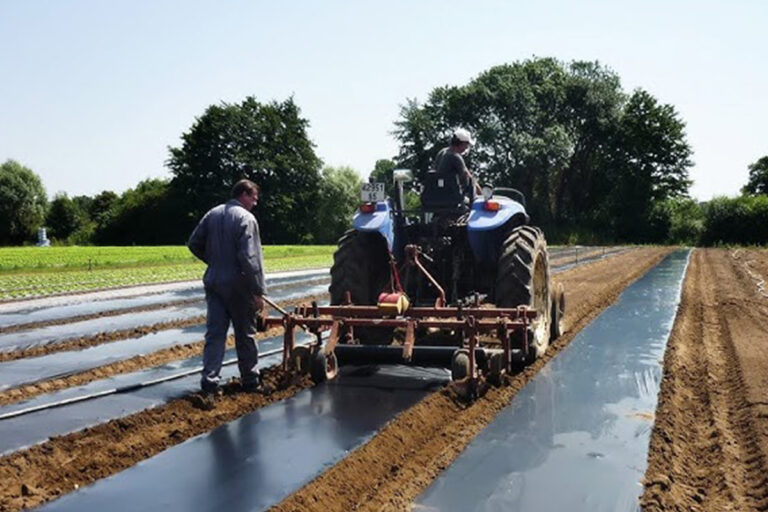
Single-layer versus double-inflated: single-layer simple, cheap; double-inflated gives thermal buffer and reduces condensation but needs reliable blowers and routine checks. Shade nets are a cheap add-on to cut radiation peaks; buy graded nets (percentage shading) and stage them with seasonal needs. Sealing and overlap details matter: seal seams against wind uplift, use proper tapes and mechanical fasteners. If condensation drips onto leaves, change surface finish or add anti-condensate coatings rather than guessing.
Water strategy — irrigation failures are crop killers
Water distribution must be uniform. Drip tape can save water and give precise delivery, but choice and layout determine success. From field projects I worked on and regional reports, growers in California’s Central Valley shifted many hectares to drip systems because they cut water use and improved yields; that real-world shift shows how system choice scales. For reliable emitter spacing, clog resistance, and maintenance workflows, consider the best drip tape irrigation system as a baseline reference when designing lateral layouts. Common mistakes: wrong emitter spacing, using untreated surface water without filtration, and running too high pressure — all cause uneven output or blockages.
Installation and maintenance traps — avoid these
Poor anchoring and sloppy sealing lead to wind damage. Over-tensioned films tear at stress points. For irrigation, no filtration or absent flushing points is recipe for frequent blockages. Maintainable design beats lowest-cost design: access for repairs, modular panels, and serviceable blowers for inflated systems. Schedule checks: film tension, ventilation dampers, filter cleaning, and emitter flow tests. Record small failures early; a tiny drip becomes a big yield loss if ignored.
Synthesis — practical value in the right choices
Big greenhouse farms need clear problem-to-solution mapping. Start by noting the single biggest failure mode on your site — heat, wind, water, or pest ingress — then choose frame, film, coverage, and irrigation to address that. When these pieces fit, management becomes predictable and yields improve without guesswork. For materials, specifications and local service matter as much as product claims, which is why many growers trust suppliers with reliable stock and technical guidance like HGDN for matching materials to real on-farm problems.