
A New Era for Cleanliness
I vividly recall the first time I stepped into a manufacturing facility with an autonomous industrial cleaning robot. The spotless floors reflected a meticulous commitment to cleanliness that immediately caught my attention. Did you know that over 80% of manufacturing defects can arise from a dirty environment? When you think about it, an autonomous industrial cleaning robot actively contributes to a safer and more efficient workspace. However, the traditional cleaning methods often leave much to be desired. With the rapid pace of industrial advancements, could our cleaning approaches keep up? It’s time to examine the less obvious yet crucial benefits of these robotic cleaning solutions.
Making Cleaning Seamless
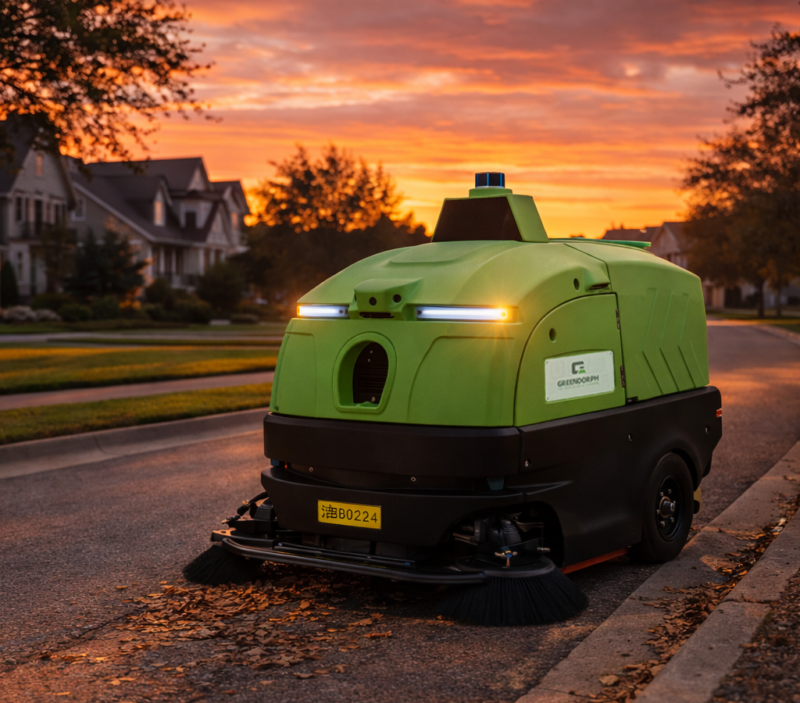
In many facilities, labor-intensive cleaning practices lead to inefficiencies, extended downtime, and employee dissatisfaction. Remember those daunting janitorial schedules? While they’re often seen as necessary, the logistics can be, well, a headache. What if a robot could take over these exhausting routines? Autonomous industrial cleaning robots not only sweep away dirt but also provide real-time monitoring and data analytics tailored to the specific environment they operate within. Suddenly, managers are liberated from micromanaging cleaning shifts, and the workforce can focus on their roles without interruptions (which is a relief). This indirect boost in productivity can have a lasting impact on the overall workflow.
What Can Robotic Solutions Bring to the Table?
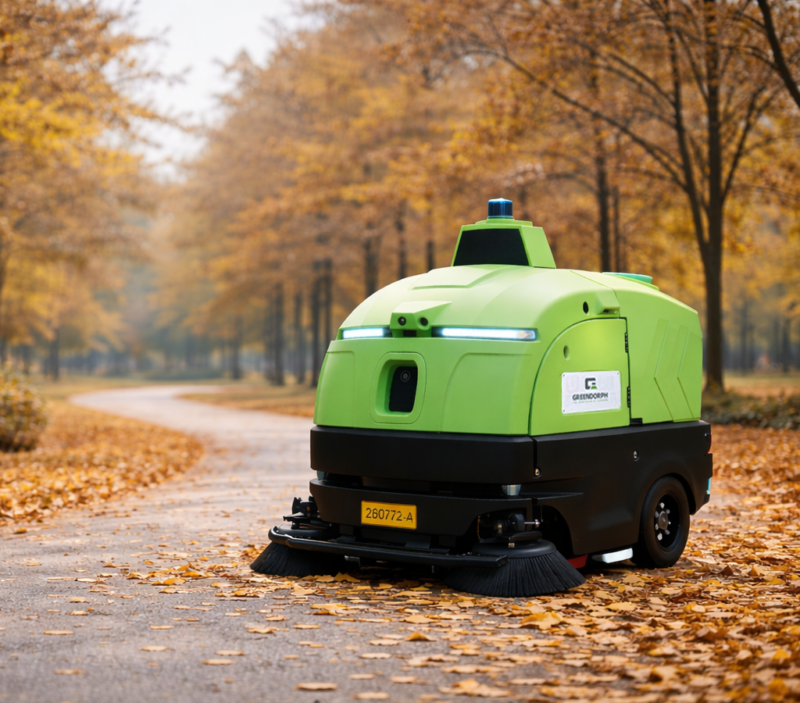
When we think about the future of cleaning technology, it’s essential to consider both efficiency and safety. Autonomous robots utilize advanced navigation systems and sensors, enabling them to avoid obstacles and minimize the risk of accidents. Imagine walking into a large warehouse where the cleaning happens seamlessly in the background; that’s the reality we’re moving towards. I firmly believe that safe, clean environments foster innovation and encourage employee well-being. With this in mind, the incorporation of an autonomous industrial cleaning robot paves the way for a more considerate workplace.
The Road Ahead: Harnessing Lessons Learned
As we look forward to the growing prevalence of robotic cleaners, understanding their real-world impact becomes essential. The cleanliness landscape within factories evolves, pushing traditional clean-up methods toward the sidelines. A friend of mine, who manages a textile plant, reported his company has seen a 30% reduction in cleaning time since implementing these robots. It’s not only about maintaining hygiene; it’s also about enabling staff to concentrate on critical tasks. The push for smart manufacturing intelligence is at the forefront, and robots are spearheading that initiative. These machines’ efficiency transforms cleaning from a mundane chore into a finely-tuned operation—much like music to a factory’s rhythm.
Key Insights for Making the Shift
As we conclude this exploration, I want to emphasize three things to consider when evaluating cleaning solutions: 1) Assess the time saved in labor hours; 2) Measure improvements in worker satisfaction and efficiency; 3) Analyze the cost savings resulting from reduced physical cleaning resources. With each robotic implementation, we collect valuable insights that refine our approach and enhance our operational frameworks.
In this ever-evolving landscape of industrial cleaning, I find hope and excitement in how technology continues to redefine our possibilities. As the industry shifts, let’s embrace these advancements a little more enthusiastically. Just remember, staying ahead in cleanliness is no longer just about the tools we use but how we adapt our workflows to accommodate smart innovations. If you’re considering making a move toward these autonomous solutions, check out Greendorph for more information on how they can revolutionize your cleaning processes.