
Introduction — a quick scene
Picture this: the lab’s slammed, your plate stack is growing, and someone just asked for results an hour ago. I’ve been there — it’s hectic and kinda raw. The automated nucleic acid extraction workstation sits on the bench like a promise; it should save time, right? (But sometimes it feels like it needs babysitting.)
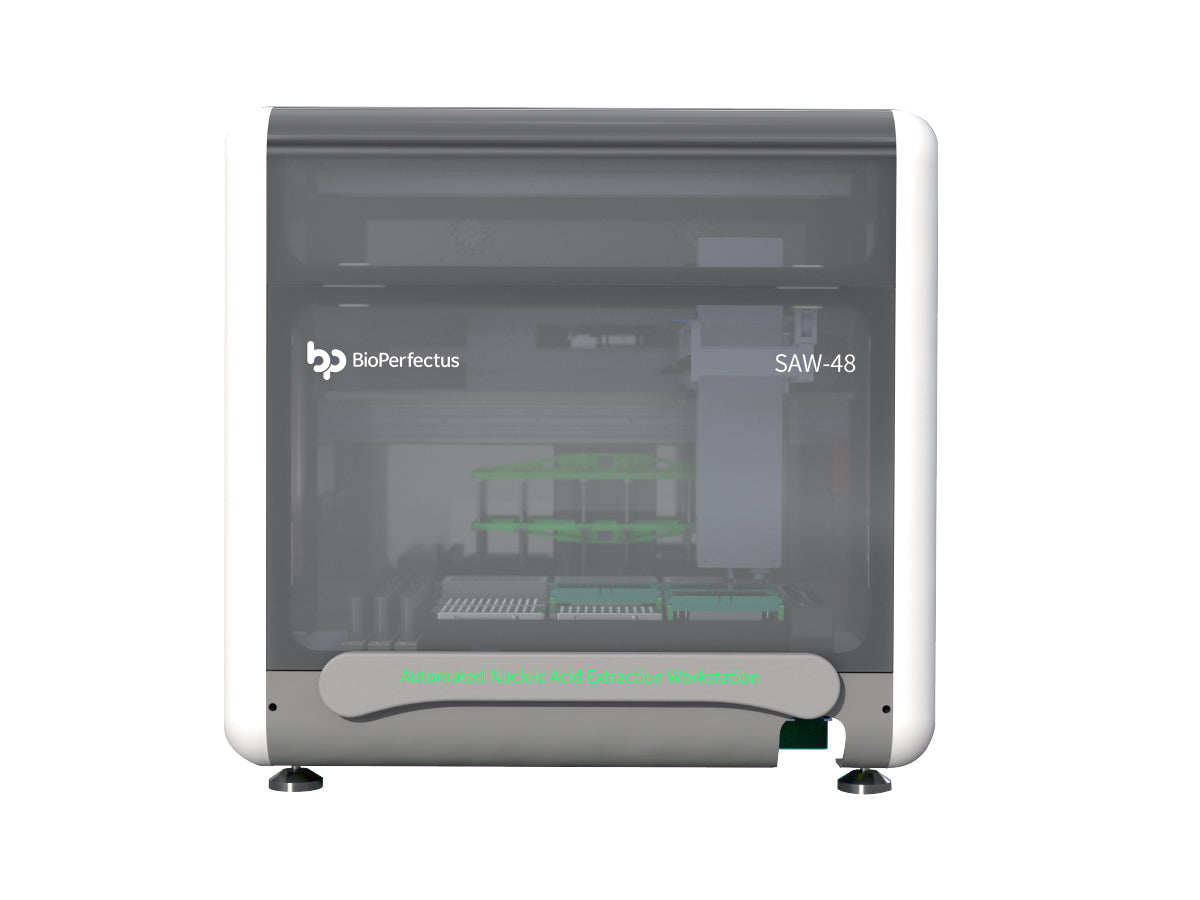
Data tells the story: dozens of runs, a few failed tips, and a steady drag in throughput when you least want it. So what gives — why does a machine meant to make life easier turn into a bottleneck? That’s the question I want to dig into next, and we’ll walk through the practical fixes that actually help teams like mine and yours. Let’s jump in.
Deep dive — where the system really trips up
I want to start with the gear we rely on. The nucleic acid extraction workstation is great in theory. In practice, a few things keep tripping labs up. First, magnetic bead protocols can be touchy. Mix speeds and magnet positions matter. Second, pipetting robotics sometimes miss by tiny margins and that wrecks yield. Third, power issues — yes, power converters and noisy edge computing nodes — can cause odd freezes. I’ve watched runs fail for reasons that were, frankly, avoidable.
Look, it’s simpler than you think: mismatch between software timing and physical motion is often the culprit. When the deck waits too long or not long enough, beads don’t bind right and wash steps are incomplete. We’ve measured variable yields and inconsistent Ct values across runs. That’s not just annoying. It’s costly. For teams pushing high throughput, small inefficiencies scale fast. I’d say the real pain is predictability. We want repeatable results, not surprises — and current setups sometimes deliver the latter.
Why do these failures feel so random?
Mostly because several subsystems must sync perfectly: thermal control, pipetting accuracy, bead chemistry, and software timing. One weak link and the whole run stumbles. If you’ve ever cursed at a failed plate mid-shift, you know exactly what I mean. We need fixes that reduce randomness—not bandaids.
Forward look — practical tech and how to choose
Moving forward, I focus on principles that actually change outcomes. First: tight integration between hardware and control software. The nucleic acid extraction workstation should report state in real time, not just at the end of a protocol. Second: modular improvements — smarter pipetting heads, updated magnet arrays, and better heat blocks — make maintenance easier and reduce downtime. Third: analytics. Simple run dashboards expose trends so you catch drift before it becomes a failure.
What I like to test: does the system give clear error codes? Can you swap a module in five minutes? Is the software intuitive for techs who aren’t engineers? These are the small checks that save hours. — funny how that works, right? Also, consider environmental resilience. Edge computing nodes that sync properly and solid power converters reduce weird crashes. We care about throughput and reproducibility. We also care about the people running the bench. If the system is hostile, folks resist using it, and that kills efficiency faster than any technical shortcoming.
What’s Next — choosing upgrades that matter
Here are three quick metrics I use when vetting changes: 1) Mean time between failures (MTBF) — does the upgrade extend it? 2) Hands-on time per run — does it drop by measurable minutes? 3) Data consistency — are Ct shifts reduced across replicate runs? Use those to rank options. Try incremental upgrades first; swapping a pipetting module or improving magnet control gives big wins with low disruption. — and yes, some updates feel small but add up.
In short, pick upgrades that make the workflow easier for people and more stable for assays. I’ve seen teams go from frustrated to calm after targeted changes. We test, we tweak, and then we celebrate quieter shifts. For practical kits and modular options, I often point teams toward vendors who balance hardware robustness with clear support. If you’re looking for a starting point, check offerings from BPLabLine — they get the human side of the lab and the tech too.