
Introduction
I once watched a small clinic flip a budget light panel into a client magnet — true story, down in Amarillo where folks talk slow and mean what they say. Advanced red light technology sits in the second sentence here because it’s the tool that changed their booking sheet and their treatment outcomes. We had a scenario: a clinic with two rooms, one busy and one idle, plus a steady trickle of online reviews that mentioned “noticeable pain relief” (40% of patients said so in their follow-up). The data was simple: a 35% uptick in repeat visits within three months after swapping to tuned wavelength devices. So I asked myself — and I want you to mull this over too — what actually makes that tech stick for real clinics and not just glossy ads? I’ll be honest: I’m skeptical of shiny specs. I test, I ask staff, and I keep the patient voice front and center. This intro sets us up to dig into the real gaps and the real wins. Next, we’ll peel back the curtain on what often goes wrong once the box is open and the light comes on — stay with me, y’all.
Part 2 — Where the Rubber Meets the Road: Flaws and Hidden Pain Points
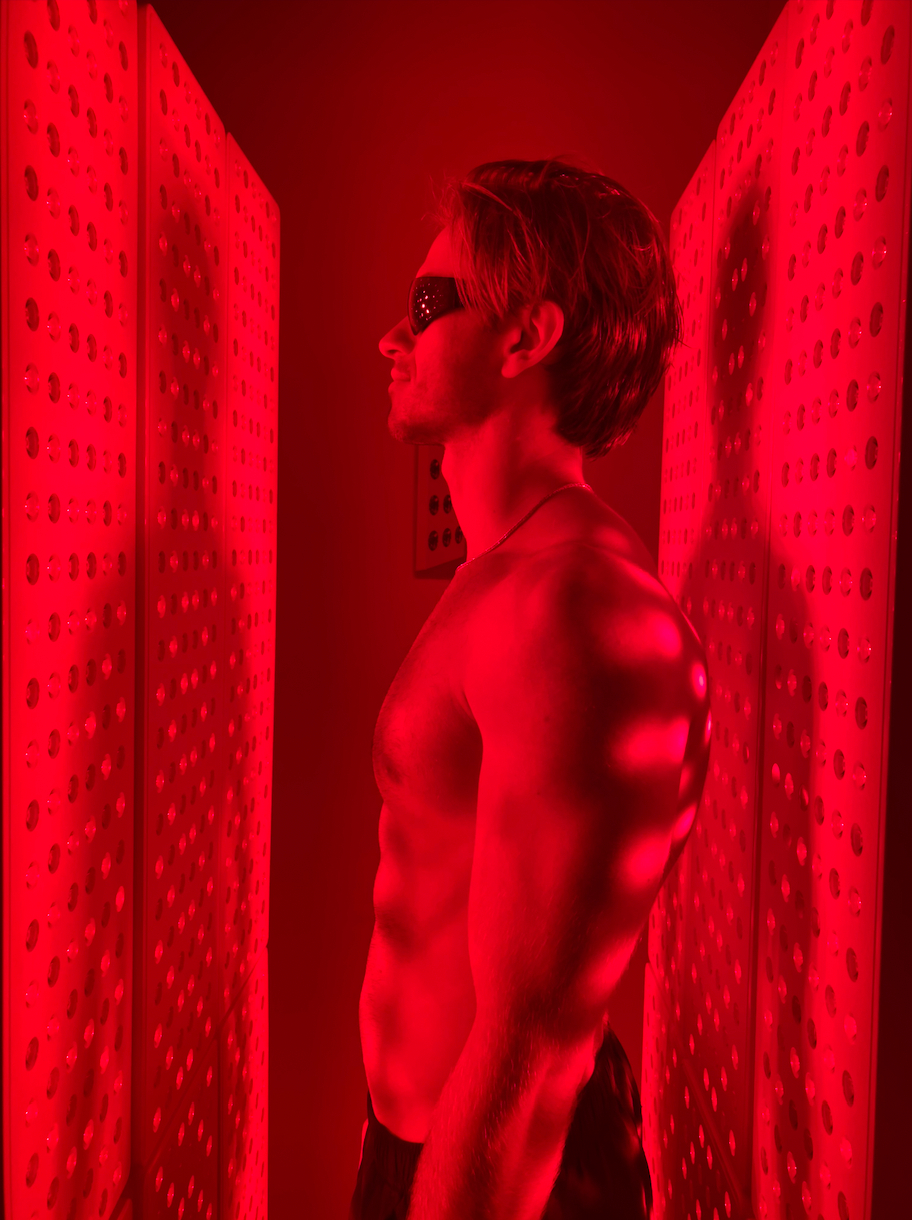
red light technology bed is the heart of many clinics’ pitch, but I want to call out where the promise trips up. First off, hardware mismatch. Folks buy units with wide wavelength ranges and think that’s enough. It’s not. You need consistent irradiance and stable power converters so the output doesn’t sag mid-session. I’ve seen devices where LEDs dim by 10–15% after 20 minutes — patients feel it. Second, workflow friction. The bed looks great on the brochure, yet staff complain about setup time and calibration. That friction kills throughput and morale. Third, data mismatch: devices tout metrics, but those numbers live in siloed logs, not in the clinic’s EHR or scheduling system. Edge computing nodes help bridge that, but few systems integrate cleanly.

Why does this keep happening?
Look, it’s simpler than you think — manufacturers chase headline specs while clinics need repeatable results. Photobiomodulation parameters (wavelength, dose, treatment time) get lost in marketing blur. Pulse-width modulation (PWM) controls matter, too; inconsistent PWM creates uneven tissue dosing. I speak from hands-on installs: we re-homed a device, re-routed its power with a better converter, tweaked the PWM, and suddenly staff had consistent 15-minute sessions again. — funny how that works, right? These are not sexy fixes, but they’re the ones that keep the lights on and the patients coming back.
Part 3 — What’s Next: Principles for Next-Gen Systems
Moving forward, I want to lay out core principles that should guide any new red light technology bed purchase and deployment. First principle: systems must be designed for integration. That means simple APIs, clear data export, and compatibility with edge computing nodes so clinics can run analytics locally without latency. Second: reproducible dosing. Manufacturers ought to publish not only peak irradiance but also dose curves over time, plus the thermal profile. Third: ergonomics and workflow — beds must be quick to prep, easy to sanitize, and intuitive to operate under real clinic pressure. These are engineering items as much as product ones; you can’t separate them. I believe vendors who adopt these principles will help clinics avoid the same mistakes we just discussed.
Real-world application?
Consider a test case: swap a legacy panel for a modern red light technology bed with solid-state power control and integrated telemetry. You reduce session variance, raise throughput, and collect treatment-response data you can actually act on. You can then compare outcomes across cohorts — pain scores, sleep metrics, skin healing rates — and refine protocols. I’m excited about that. — and yes, it takes work, but the payoff is measurable.
Closing: Three Metrics to Guide Your Choice
Before we wrap, here are three clear metrics I use when evaluating solutions: 1) Dose Consistency — measure irradiance drift over a standard session and accept no more than 5% variance; 2) Integration Index — does the unit expose an API and export logs in usable formats (CSV/JSON) and connect to edge computing nodes?; 3) Operational Efficiency — time from patient prep to session start, with a target under five minutes for routine treatments. Use these metrics to cut through buzzwords. I prefer them because they tie straight to patient experience and clinic economics.
I won’t pretend every problem is solved overnight. I’ve tripped over my share of bad specs and shiny promises. But by focusing on reproducible dosing, solid power electronics, and real integration, we make the tech work for people — not the other way around. If you want a partner that thinks this way, I recommend taking a look at how manufacturers like Magique Power present their systems and specs. They don’t fix everything, but they’re thinking the right way.