
Introduction: Streets Don’t Sleep, and Neither Do Your Flows
Here’s the deal: the warehouse floor is a 24/7 city, and it moves fast. An amr robot is now the runner weaving through that traffic, not just another piece of gear. Picture a peak shift in a Bronx 3PL—aisles tight, pallets stacked, returns piling up, and customer SLAs ticking down to the second. Data doesn’t lie: SKU counts doubled in two years, while labor is flat and safety audits got stricter. So why do some AMR fleets glide while others jam up like the FDR at 5 p.m.? (And yeah, we’ve all seen the three-cart pileup near receiving.) The question is simple: what actually matters when you compare systems—maps, sensors, or the brain behind the moves?
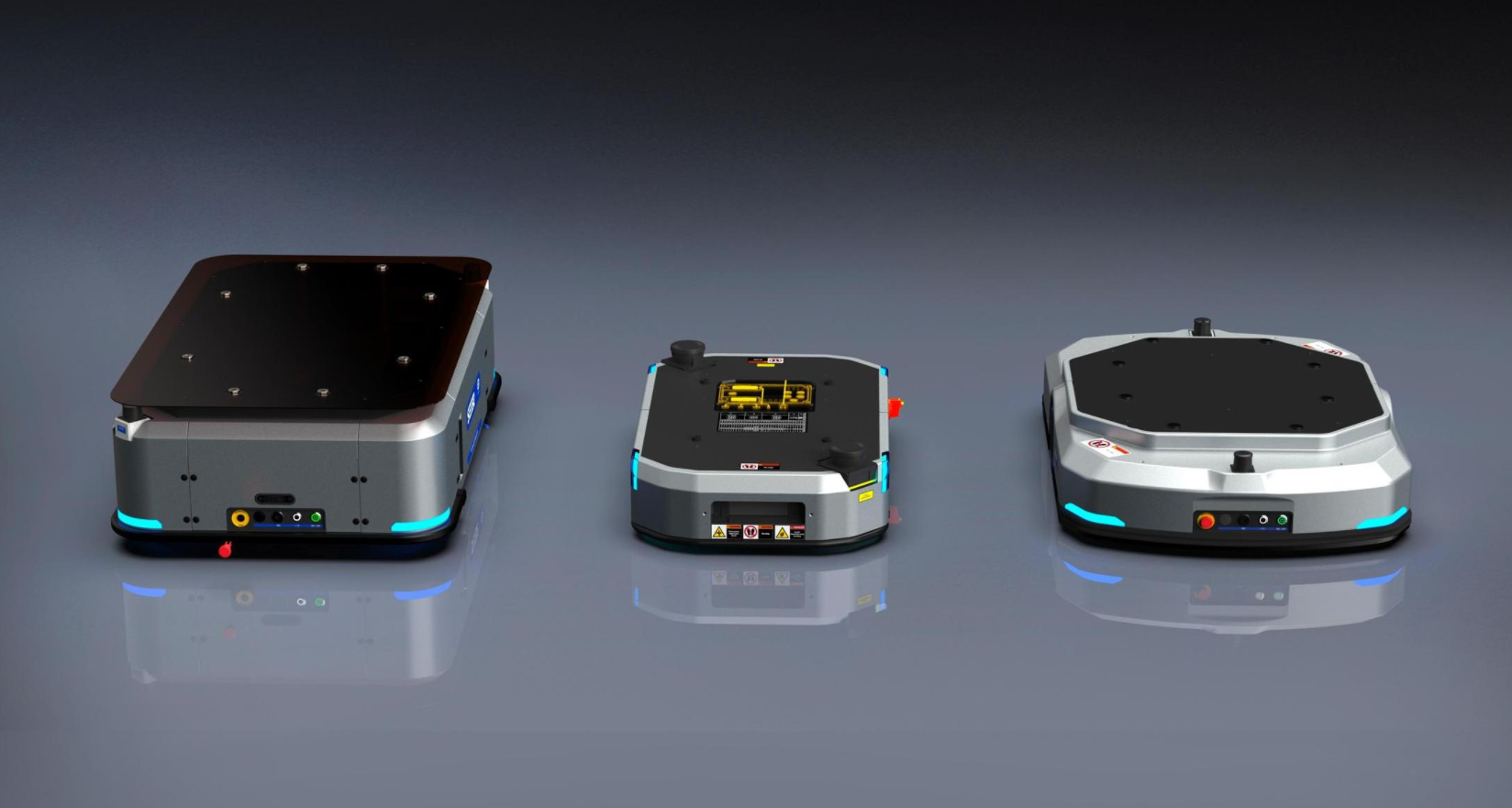
We’ll put the options side by side, share how things break in the real world, and flag what to test before you buy. Then we pivot to what’s next with autonomy—because that’s where the edge is. Let’s roll to the details.
The Hidden Friction: Where “Good Enough” Trips You Up
Where does the friction really live?
In industrial automation and robotics, the pitch sounds clean: drop in AMRs, sync routes, watch throughput soar. But the floor talks back. Hidden pain points show up in motion, not in slide decks. Fleet orchestration falls apart when Wi‑Fi roams and handoffs lag. SLAM can drift in glossy aisles, and sensor fusion gets jumpy with stray totes at ankle height. Edge computing nodes help, but only if power converters, battery profiles, and thermal limits are tuned for the load. Look, it’s simpler than you think—yet more brittle than it seems. The mismatch is usually between what the map thinks and what the forklift just did.
Operators feel the pinch first. Battery queues stack at shift change; staging zones become choke points; ERP sync hits delay and tasks get stale. Pallets shift five degrees and now your alignment window is toast; the robot halts, then humans start “nudging” it—funny how that works, right? Safety scanners overreact on tight corners; under-react near glossy shrink wrap; LiDAR gets flare from polished concrete. Meanwhile, the KPI that matters—jobs completed per hour per aisle—drops, even though the dashboard says “fleet healthy.” That gap is the friction tax you pay when small edge cases compound into big slowdowns.
From Pain to Principles: What Next-Gen AMRs Do Differently
What’s Next
The fix isn’t more rules. It’s better principles. Newer fleets treat navigation as a living signal, not a static line on a map. Dynamic path planning runs on local autonomy with fast control loops, while the cloud handles policy and analytics. Real-time QoS on the message bus (think MQTT with tuned priorities) keeps commands ahead of chatter. Sensor fusion blends LiDAR, depth cams, and wheel odometry with adaptive filters that learn the floor’s quirks. And yes—interoperability matters. VDA 5050, OPC UA, clean APIs. When AMRs can talk to WMS, PLCs, and each other without hacks, the system breathes.
Zoom out and compare: old-school setups needed perfect conditions; modern stacks assume mess and route through it. They run RTOS for tight control, failover paths for comms, and watchdogs on power events so brownouts don’t brick the shift. In practice, that means fewer stops, smoother merges, and better use of space. The result inside industrial automation and robotics: higher sustained throughput per square foot, even when humans and forklifts cut across. It’s not magic—it’s architecture. And that architecture puts data where it matters, at the edge first, cloud second — and that’s the twist.
How to Choose What Actually Works
Let’s bring it home without the hype. You learned where friction hides and why principles beat patches. Now you pick with intent. Use three metrics that expose reality in pilots and scale-ups alike.
1) Time-to-stable autonomy: Measure days from install to consistent routes under load. Include changeovers, Wi‑Fi roaming, and pallet misalignments. If SLAM and sensor fusion can’t settle fast, your people will babysit. 2) Throughput per aisle with humans-in-the-loop: Count completed tasks per hour per 100 feet, with forklifts crossing and zones shared. Add variance bands. Fleets that handle interference—and keep QoS strong—win on real floors. 3) Resilience score: Track stops per 100 missions, recovery time from faults, and power event handling (batteries, power converters, brownouts). Bonus: log interoperability—VDA 5050, MQTT, OPC UA—so your stack won’t box you in later.
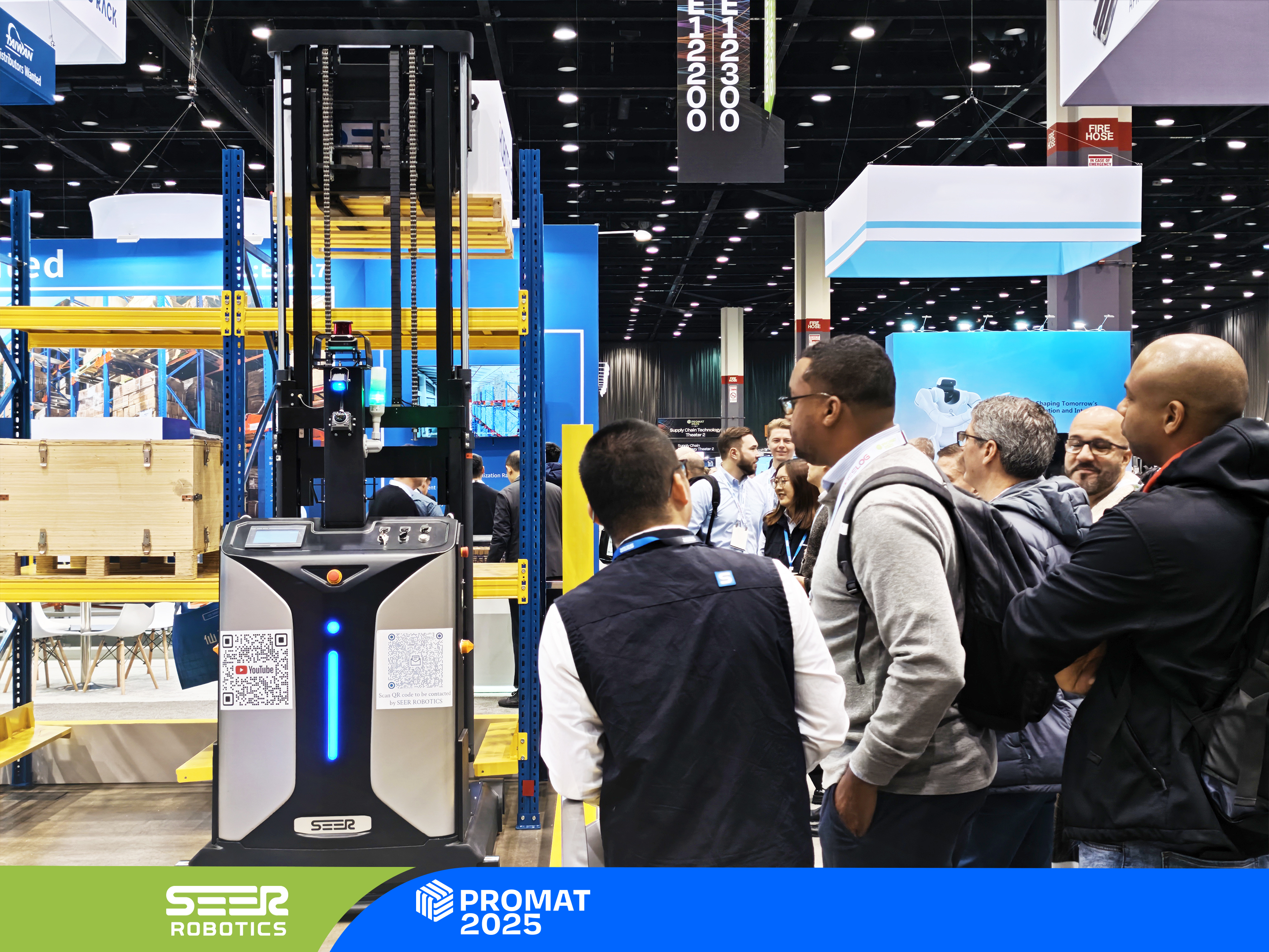
Keep the vibe practical: test in ugly corners, not showroom lanes. Ask for raw logs, not only dashboards. And remember, the best amr robot isn’t the flashiest—it’s the one that plays nice with your people and your chaos. If you need a reference point in this space, you can look at teams like SEER Robotics to benchmark ideas and methods, then make the call that fits your floor.