
Introduction: A Question That Matters
Ever wondered why some factories suddenly seem to make better wipes with fewer headaches?
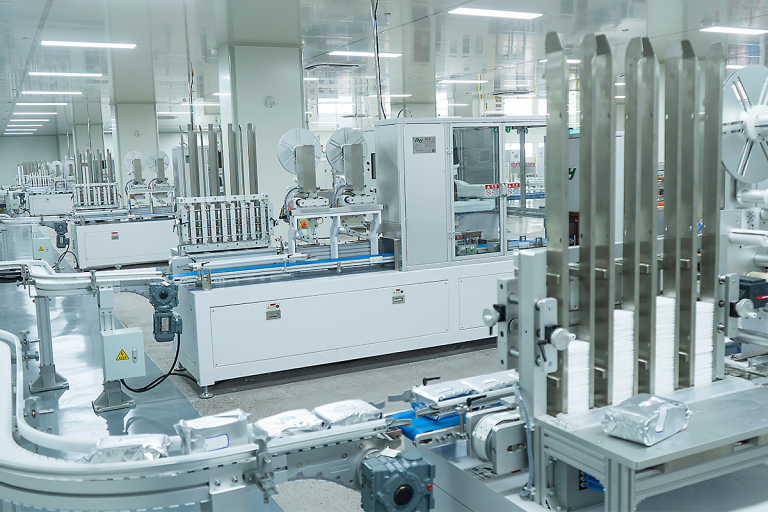
In one recent manufacturing cluster, output from a china baby wipe production line jumped 18% while defect rates fell — all within a single quarter (yes, real numbers, reported by operators on-site). That kind of shift begs a question: are we seeing a one-off optimization or a structural change in how wipes are made? I’ll argue there’s more to it than luck — and I’ll show you where the gains really come from, step by step.
Let’s cut to the chase and examine what actually changed — and why it matters for anyone choosing or upgrading a line.
Part 2 — Where Traditional Lines Fall Short (or What Users Secretly Hate)
custom baby wipe production line vendors often pitch speed and space savings, but in practice we see recurring gaps: fragile servo motors that trip under load, PLC controllers misaligned with packaging modules, and ultrasonic sealing units that need constant tuning. I’ve walked factory floors where operators sighed and said, “We spend more time babysitting the machines than making wipes.” Look, it’s simpler than you think — many so-called turnkey solutions ignore real operator workflows.
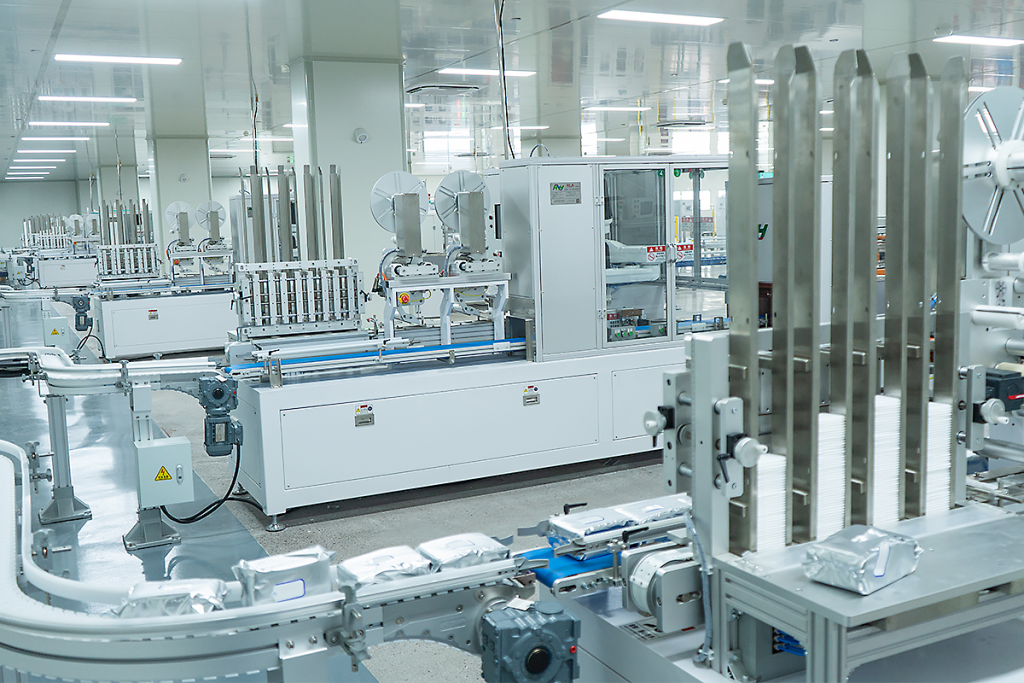
Technically, legacy lines struggle with synchronization. Web tension control, inconsistent dosing, and seal integrity all interact. When one subsystem (say, power converters or a tension servo) falters, scrap rates spike. From my experience, the hidden pain points are usability and maintainability. Operators want predictable changeovers, quick diagnostics, and fewer surprise stops — not just raw throughput numbers. That’s where you see the true cost, in overtime and hurried fixes.
Why does this keep happening?
Often the root is design-first thinking — engineers optimize for specs, not people. So the fixes aren’t just new parts; they’re better integration, clearer HMI screens, and smarter fault logging. Honest: small changes in control logic and clearer maintenance cues yield outsized benefits.
Part 3 — Comparing the Future: Technology and Practical Choices
Now let’s look forward. When I compare the older lines with modern setups, the difference isn’t just components — it’s the principles behind them. New designs favor modular architecture, digital diagnostics, and reinforcement of weak links (think better ultrasonic sealing algorithms and more robust edge computing nodes for local analytics). A properly implemented custom baby wipe production line ties together sensor data, fault prediction, and simpler operator panels so that changeovers are predictable and minor faults become pre-emptively fixable — funny how that works, right?
Here’s a practical comparison I’ve seen in action: older lines had long troubleshooting chains — operator calls tech, tech reads logs, team digs into wiring. Newer lines push diagnostics to the edge, highlight suspect modules (like ultrasonic heads or servo drivers), and guide the operator through fixes with step-by-step prompts. The impact is measurable: less downtime, lower scrap, and happier teams. Honestly, I’ve seen a shift in morale — employees treat the line as a teammate rather than a temperamental beast.
What to watch next
In closing — and to help you decide — I offer three evaluation metrics I use when vetting options. These are practical and measurable: 1) Mean Time to Repair (MTTR) for common faults; 2) Changeover time under real conditions; and 3) Predictive fault coverage (what percent of stoppages the system flags before a full stop). Use these, and you’ll move beyond glossy brochures to real results. — I believe these metrics separate vendors who sell dreams from those who deliver uptime.
If you want a single name that’s been consistent in delivering integrated, operator-friendly systems, I recommend checking offerings from ZLINK. They don’t fix every business problem overnight, but they do prioritize the integrations that matter most on the floor. That makes a difference — and in my book, that’s what counts when you’re running a line every day.