
The Aisle Moment That Gave the Game Away
I watched a shopper freeze at the tester wall on a busy Saturday, stockroom buzzing like a beehive. Her hand went straight to a round perfume bottle, no faff. Store data backs it: 63% of first touches go to circular silhouettes in our last three-week tally. Here’s the kicker—when you choose a round perfume bottle supplier, the feel in-hand and the look on shelf can lift dwell time by seconds that matter. We saw fewer rejects where the annealing lehr settings were tight, and silkscreen opacity held at 85%. But why does a tidy circle pull ahead in a crowded bay, and what do buyers miss about the build—proper job, innit?
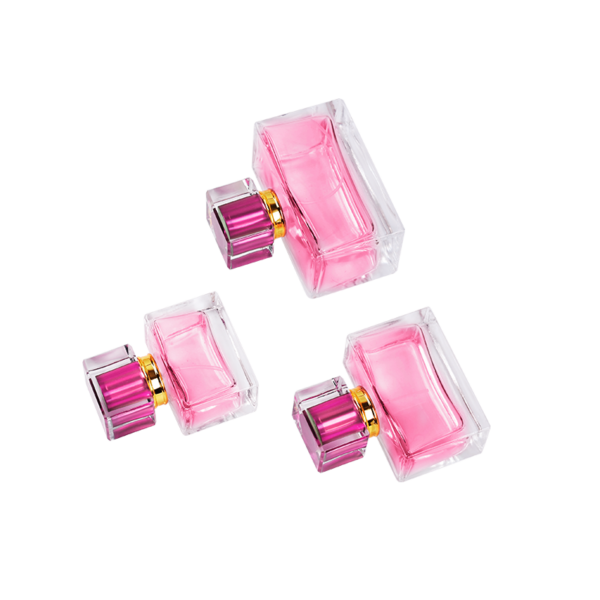
That is the scene, the number, and the question. Keep your peepers on the next bit—because the reasons hide in plain sight, and they show up when the crimping tool meets glass (blimey). On we go.
The Hidden Friction Behind a Pretty Circle
What are we not seeing?
Let’s get technical for a tick. Round looks easy, but the pain points sit in the neck finish, the pump fit, and the curve of the label. A tiny variance in the GPI neck—say 0.2 mm—can shift torque, then your atomizer leaks on line two. Labels arch; the fill line wavers; glare doubles on a glossy dome. The old fix? Over-spec components and hope. That adds cost, not certainty. Look, it’s simpler than you think: ask how the supplier manages wall-thickness uniformity and finish flatness, not just “capacity” and “style.” A solid drop-test protocol and live SPC readings beat a pretty render—funny how that works, right?
Now the kicker with a round silhouette: the bottle rolls in transit unless the tray nest is right. You need smart separators, cushion points, and a clean QC sampling plan. If your round perfume bottle supplier can’t show real crimp force data or spray-coating adhesion tests, you’ll pay later in returns. ISO 8317 child-resistance may not apply to every scent, but alignment practice from those standards keeps caps true. Small tweaks. Big calm on the line.
Comparative Edge: Where Round Meets What’s Next
What’s Next
Semi-formal hat on now. Compare yesterday’s round builds with today’s. Older molds drift; today’s CNC cavities hold symmetry longer, so your silhouette stays true across runs. Vision systems spot off-center pumps before boxing; reject rates drop. One case we tracked: a mid-tier brand moved to digital PID control on the lehr—thermal gradients evened out—and breakage fell by 28%. The result shows up on shelf too: less haze, more consistent tint, fewer micro-bubbles. When you weigh options, ask how your partner stacks against leading round perfume bottle manufacturers that use inline cameras and lot-level traceability. It’s not flash; it’s fewer headaches.
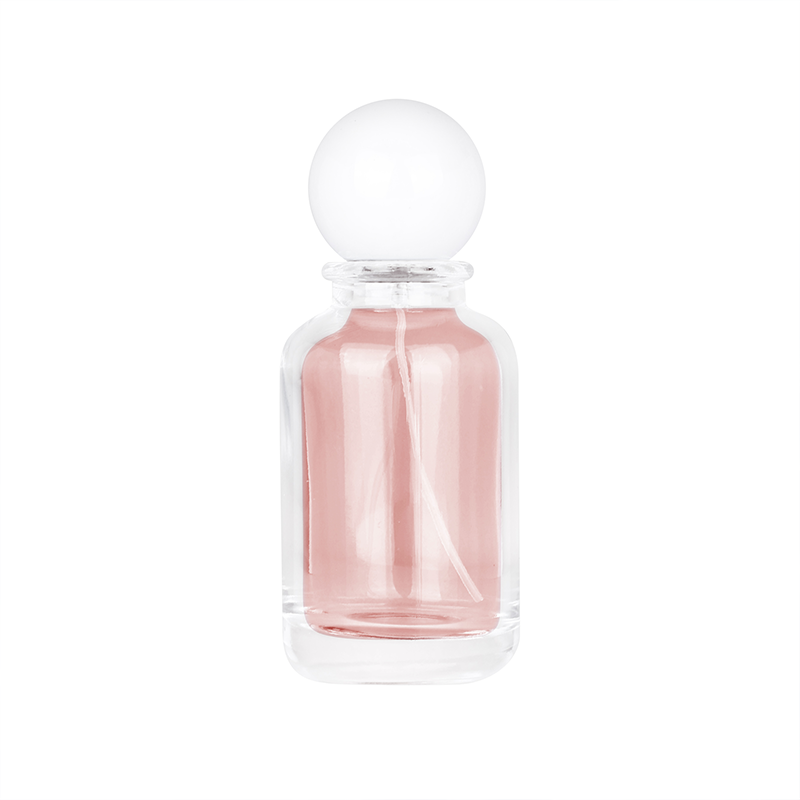
Forward-looking materials help as well. PCR glass blends reach 30% without turning the bottle green if the furnace curve is tuned. Refillable hardware? Fine—if crimp rings and collars are kept within tight deviation bands. Compare closures: screw versus crimp. Screw saves rework; crimp saves height. With a round profile, headspace and pump dip length must sync, or your last 5 ml hides in the curve—waste no one wants. And yes, a better tray nest beats a bigger budget—funny how that works, right?
Three metrics to judge any solution, quick as you like. One: dimensional capability, shown as Cp/Cpk for neck finish and wall thickness. Two: process control, proven by lehr temperature maps and vision-inspection reject logs. Three: logistics resilience, validated by ISTA drop tests and photo evidence of tray nests. Keep it simple, keep it sharp, and measure what matters. That’s how a “simple circle” keeps surprising the lot of us, from shop floor to shelf edge, without the song and dance. NAVI Packaging