
Introduction
I once watched a neighbor circle the mall parking lot three times looking for a charger — it felt like a small urban drama. In many little towns and big cities alike, an ev power charging station can be the difference between a smooth commute and a half-day delay. Recent surveys say public charger uptime still varies widely (uptime numbers range from 70% to 95% depending on region), so drivers ask: how do we make charging predictable and simple? I’m writing from the point of view of someone who talks to fleet managers and local drivers — I see both sides, you know. The scene is familiar: a driver needs juice; the station needs maintenance; the payment kiosk fails (annoying, right?). I’ll walk you through what really bugs people and what fixes look like next — short, practical, and grounded in real use. Now, let’s move into where the systems actually break down and why that matters for users and providers alike.
Unseen Frictions: Why Current Providers Miss the Mark
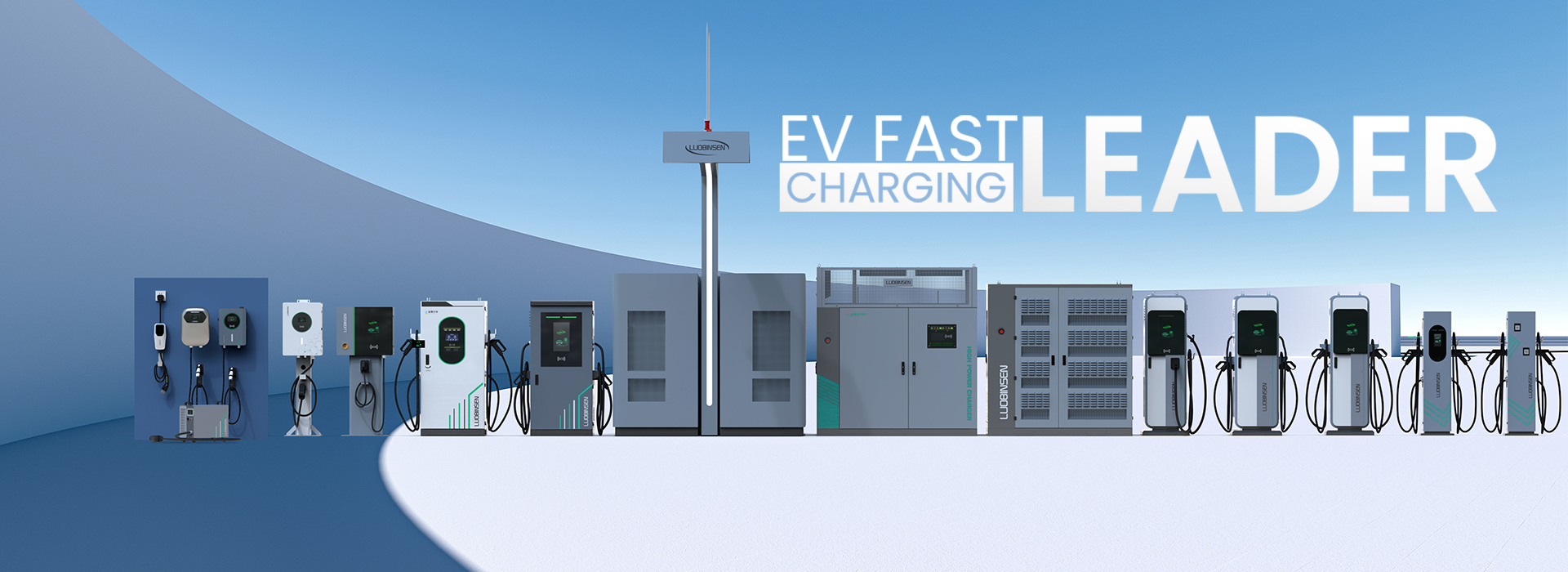
ev charging station supplier choices matter more than most planners admit. I’ve seen first-hand how a solid supplier relationship can cut troubleshooting time in half — and how the wrong one doubles it. The problem isn’t just hardware. It’s a stack: power converters failing under heat, unreliable smart metering reports, and poor load balancing that leaves one bay live and the next dead. Technical detail: many installations rely on legacy telemetry that can’t handle edge computing nodes for on-site decision making, which means slow alerts and late fixes. Look, it’s simpler than you think — a supplier who understands telemetry and maintenance workflows saves money and grief.
Why does this still happen?
Two big reasons. First, economics: operators chase the cheapest install and sacrifice monitoring and redundancy. Second, user pain is underestimated — payment friction, confusing UI, and unclear status lights cause callouts that could be prevented. I’ll be blunt: vendors often treat software as an afterthought. We need better firmware OTA, clearer fault codes, and standardized APIs so third-party apps can show true bay availability. From my conversations with technicians, a clear maintenance schedule plus predictive alerts (via analytics and simple sensors) cuts emergency trips dramatically. — funny how that works, right? Fixing the invisible stuff is where ROI actually happens, not just swapping a charger head.
Future Outlook: Smarter Stations and Real-World Impact
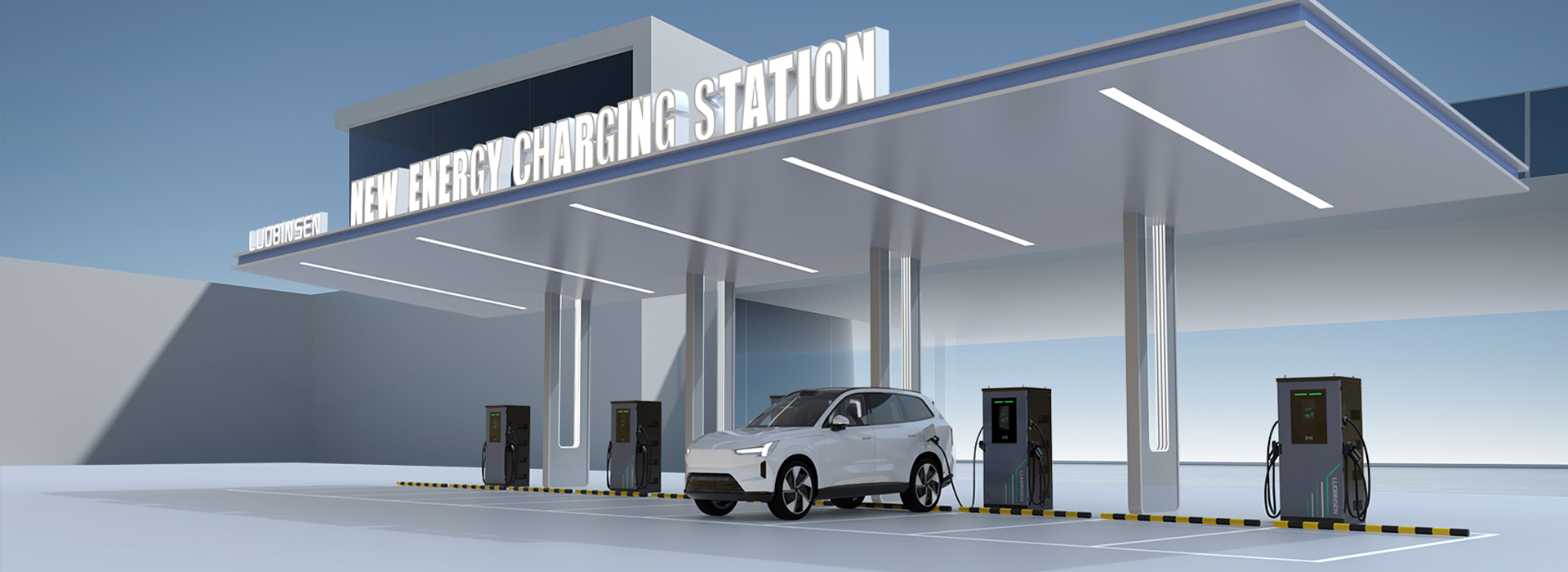
Looking forward, I expect the next wave will be defined by simpler user flows married to smarter backend tech. Consider the electric car power station that talks — not in buzzwords, but in practical ways: it reports state-of-health, schedules power converters to avoid grid peaks, and communicates bay status to apps in real time. I’ve seen pilots where edge computing nodes handle local decisions (e.g., temporarily capping a session during a local grid event) so the station stays usable. Semi-formal note: interoperability matters. When chargers support standard APIs and common authentication methods, apps and fleets can integrate without endless custom work. That reduces churn for operators and frustration for drivers.
What’s Next?
In practice, the roadmap should be straightforward. First, standardized telemetry and OTA updates. Second, better UI/UX for payments and session status — simple icons, clear error messages, multilingual prompts. Third, integrating analytics that predict failures before they happen. I’ve worked on deployments where predictive alerts reduced downtime by weeks per year — measurable gains. And yes — human factors count: clear signage, covered bays, and helpful on-site instructions cut user error. — mấy bạn will thank you.
Closing: How to Choose and Measure the Right Solution
So, what should you evaluate when selecting a partner? I recommend three clear metrics: uptime percentage under real usage (not theoretical), mean time to repair (MTTR) including spare parts logistics, and interoperability score — how well the station’s software plays with other systems. I prefer partners who provide transparent logs and a practical maintenance playbook. From my point of view, the best outcomes come when suppliers treat operators as partners, and when stations are designed for humans first. If you want a reliable, human-friendly network, look for those signs in proposals and pilots. For practical examples and supplier options, I often point people to established manufacturers and trusted installers — they make the difference between a good idea and a working network. For suppliers I recommend checking details at Luobisnen.