
Connecting the Dots: The Need for RTK Base Stations
Imagine standing in a sprawling field, ready for a harvest that promises abundance. Yet, data indicates that up to 30% of agricultural output can be lost due to inaccurate positioning—particularly in precision farming. This highlights the critical role of the rtk base station. You might wonder: How can such technology ensure better yields and more efficient workflows? The answer lies in understanding the traditional flaws of positioning systems that leave many farmers in the dark.
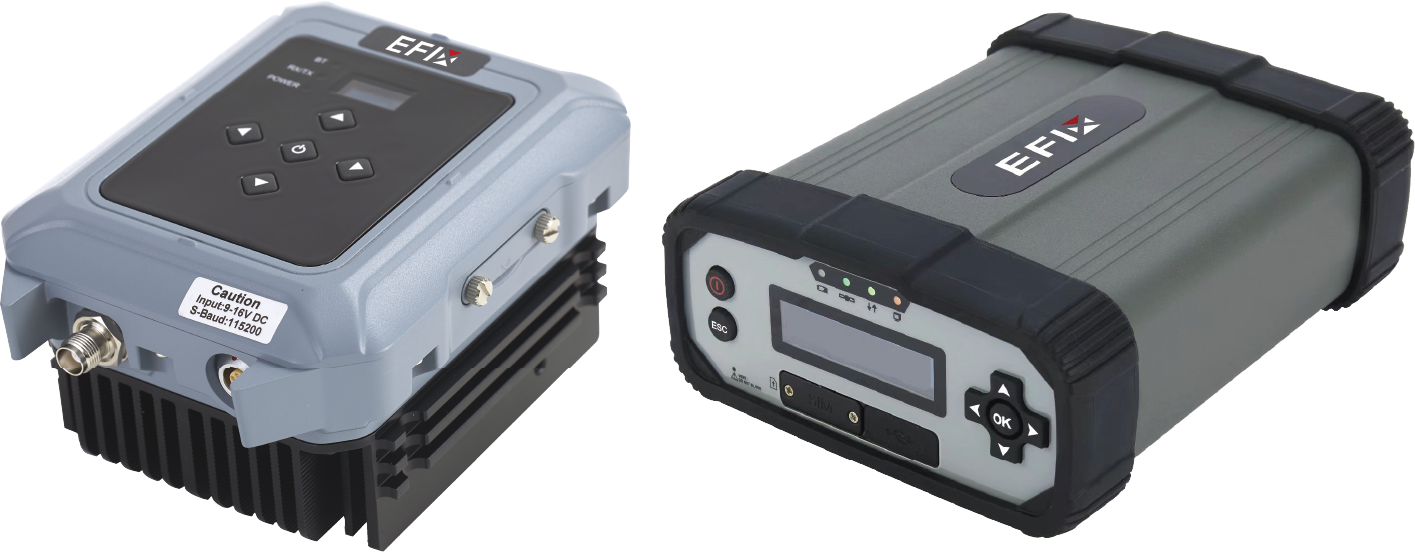
Understanding the Problem
Let’s face it; conventional systems are fraught with inaccuracies: drifting, signal interruptions, or even total loss of connection when needing it most. I’ve witnessed firsthand how a 10-meter inaccuracy led to misplaced crops on numerous occasions. Each missed calculation not only impacts immediate productivity but also long-term profitability. Most frustratingly, being unable to rely on pinpoint location data can put significant pressure on operations and personnel—an experience I don’t wish on any farmer. But how can one upgrade and embrace solutions like the rtk base station for a more reliable outcome?
What Should Be on Your Radar?
When it comes to evaluating your current system, I suggest looking beyond just the initial investment. Consider the tangible benefits of improved accuracy, reduced operational costs, and enhanced productivity—metrics that truly define the value proposition of a proper RTK solution. Additionally, advancements in RTK technologies have alleviated many of these common pain points. I can’t stress how important it is to stay ahead of the curve.
Looking Ahead: The Impact of RTK Base Stations
With the advent of updated RTK base stations, we’re stepping into a new age of agriculture. Farmers are now utilizing features that not only enhance pairing with GNSS devices but also ensure customized solutions for every unique landscape. The reliability of an RTK base station is changing the game: mapping, field data collection, and autonomous machinery are becoming the new norm. I cheekily think of these stations as the GPS superheroes—always swooping in to save the day when things go wrong. It was just last season that I watched a colleague streamline operations by nearly 40% simply by switching to a high-quality rtk base station.
Real-world Impact
As I look toward the future, I can’t help but feel excitement for what’s to come. The continuous evolution of RTK technology promises even greater precision and efficiency. Farmers, especially those invested in precision ag, should actively seek updates and enhancements that cater specifically to their operational needs. The world is moving fast—don’t get left behind!
Key Insightful Takeaways
In wrapping up, I firmly believe that investing in an RTK base station is not just a smart decision; it’s a pivotal move that can reshape how you approach agriculture. Accurate positioning leads to measurable results: better resource utilization, higher crop yields, and overall operational efficiency. If you’re contemplating changes, consider not just the technology at hand, but how it can substantially elevate your farming practices.
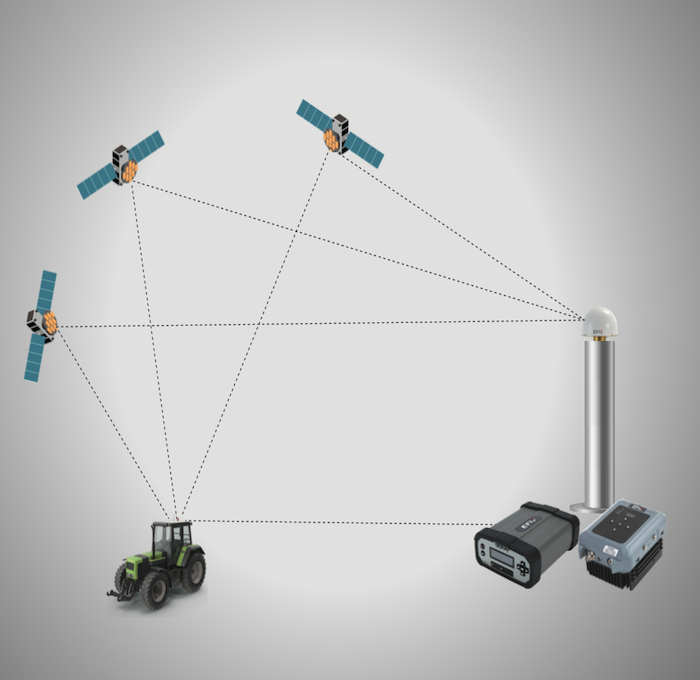
So, do yourself a favor—evaluate your options, consider the metrics I mentioned, and keep an eye on emerging solutions. Trust me, the long-term benefits with brands like EFIX are well worth the exploration.