
Understanding the Need for Efficient Fermentation Solutions
In a world increasingly aware of sustainable practices, the demand for organic fertilizers continues to rise. As farmers seek to improve yield while minimizing environmental impact—remarkably, data from the World Bank suggests that organic farming can yield up to 30% more in some regions—the need for reliable systems becomes evident. Enter the high temperature aerobic organic fertilizer fermentation tank, a crucial player in this revolution. How can this technology transform agricultural practices further?

Traditional Solutions and Their Limitations
We need to acknowledge that traditional composting methods often fall short in efficiency and scalability. I remember vividly one summer spent experimenting with static piles. They required endless monitoring and rarely produced consistent results. That design genuinely frustrated me! The main flaw lies in their inability to manage temperature and oxygen levels effectively, limiting their speed and the quality of the final product. But those days are fading away. Enter technology!
Why Should Farmers Consider Advanced Tanks?
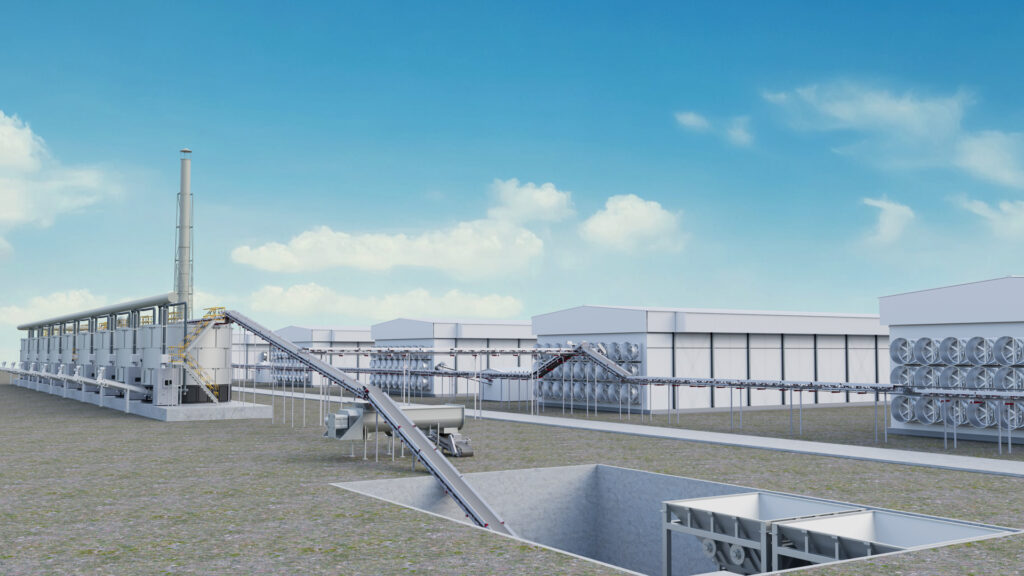
The shift towards a Bio-organic fertilizer fermentation tower indicates a transition towards an innovative, user-friendly system. These aerobic tanks utilize controlled high temperatures, speeding up the fermentation process and enhancing nutrient absorption. Picture this: a system that not only processes waste quickly but produces high-quality fertilizer tailored for specific crop needs—sounds appealing, right? Farmers can embrace a faster turnaround time and higher yields.
Looking Ahead: The Future of Fertilization Technology
As I reflect on these advancements, it’s evident that the landscape of organic fertilizer production is evolving rapidly. The future is bright for those willing to invest in technology. Imagine integrating smart sensors in fermentation tanks, allowing real-time monitoring of microbial activity and nutrient levels. This not only ensures quality control but optimizes the entire process. The synergy between quality inputs and advanced technology heralds a new age for sustainable farming.
What’s Next for Organic Fertilizer Production?
A farmer’s toolkit will increasingly include innovations like automated aeration systems and precise temperature controls. This evolution means we won’t just react to changes in crop needs; we will anticipate them. The industry is not just observing a shift – we are becoming active participants in cultivating a greener future. However, metrics for evaluating technology adoption must remain clear: efficiency, nutrient output, and adaptability to various waste types are paramount.
Final Thoughts: Charting the Path Forward
The lessons learned from embracing advanced fermentation systems highlight the importance of adaptability. I firmly believe that, as we move forward, farmers will need to adopt these solutions to remain competitive. Choosing the right fermentation tank shouldn’t just be about the immediate costs; consider long-term benefits like increased soil health, improved crop yields, and reduced environmental impact. For an informed decision, focus on these three evaluation metrics: efficiency, output quality, and technological support. As the agricultural landscape continues to evolve, keeping up with advancements will be essential for future prosperity.
In wrapping up, it’s stimulating to note how these innovations are reshaping farming. The bond between technology and strength in sustainability will only grow, pushing boundaries further. Exciting times lie ahead, and I’m thrilled to see where it leads us. You can find more about effective solutions at Cason.