
A Day in the Life of a Warehouse Operator
I still remember those hectic days when I worked at a bustling warehouse in Tsim Sha Tsui. The air was filled with the sounds of movement—mechanical clanks, the whir of forklifts, and the occasional shout from a colleague. The efficiency of our operations often hinged on our roller track system, which simplified the transport of goods from one end to the other. Yet, something always felt off. I could see data suggesting that productivity could be boosted, but there were hidden user pain points impacting team morale and output. Why were we not getting more from our equipment?

Understanding the Flaws Beneath the Surface
We often overlooked the wear and tear on our roller track system. We thought it was all about maintenance—keeping everything shiny and functional. But, I’ve learned there’s more to it. Many systems were designed without considering the unique needs of our products. As a result, not only did our supplies get stuck sometimes, but it also led to frustration. It seemed that every time I handled delicate items, I was playing a game of chance. Would they arrive intact? The combination of unsuitable materials and insufficient design led to these recurring issues. That’s the crux—what looks good on paper may not always translate in practice.
Where Do We Go from Here?
Now, stepping forward, I’ve noticed some fascinating innovations emerging. Today, companies are integrating smart technology into roller track systems. Imagine being able to monitor wear with predictive analytics! This could drastically reduce downtime and increase trust within the team. With the right upgrades, a well-implemented roller track system could eliminate those sticky situations I faced back in the day. This is about anticipating user needs before they show up—delivering performance that aligns with real-world usage rather than theoretical designs.
What’s Next for Roller Track Systems?
Looking ahead, we’re witnessing a wave of user-centric advancements. From sensor-equipped rollers that track real-time efficiency to modular designs allowing for easy customization, the evolution is exciting. Incorporating robust materials ensures longevity, which translates to less frustration and more productivity. I firmly believe that as these systems improve, they will reshape how industries handle logistics. The roller track system isn’t just a transport solution anymore; it’s becoming integral to operational strategy.
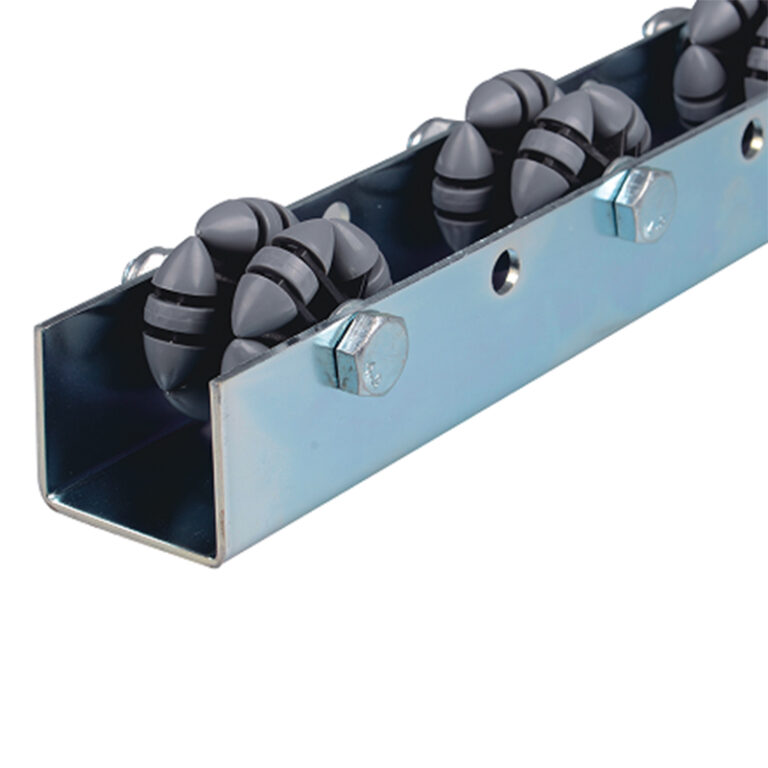
Key Lessons Moving Forward
Reflecting on my journey, I find there are a few vital takeaways for anyone in the industry. Firstly, prioritize systems that evolve based on user experiences. Second, work with reputable suppliers who understand the intricacies of your needs. Finally, keep your teams informed—encourage feedback. This way, we can bridge the gap between design intentions and real-world functionality. Oh, and remember: choosing the right system could directly impact team morale and efficiency!
Ultimately, I believe the key to embracing a roller track system lies not just in its design but in how well it can adapt to evolving challenges. The more we understand user pain points, the better equipped we are to find innovative solutions that truly work. If you’re on the hunt for something to elevate your operations, consider checking out offerings from JunYi. Their commitment to quality is something I’ve genuinely appreciated over the years—just take my word for it!